About this activity
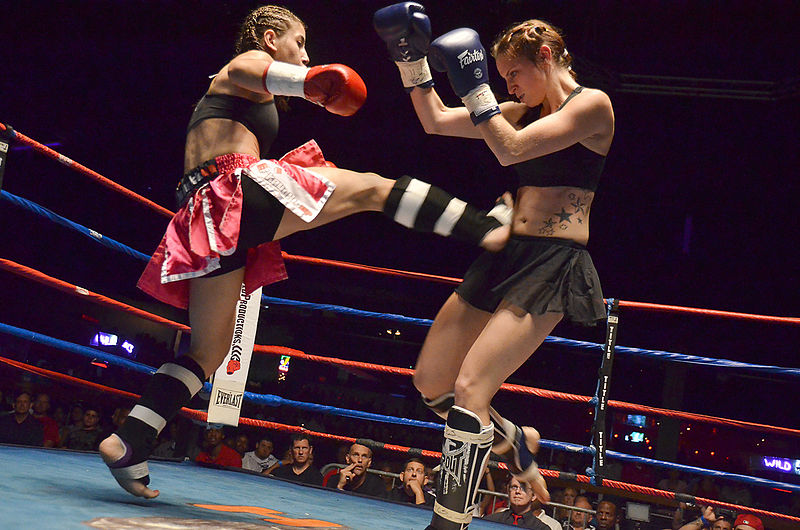
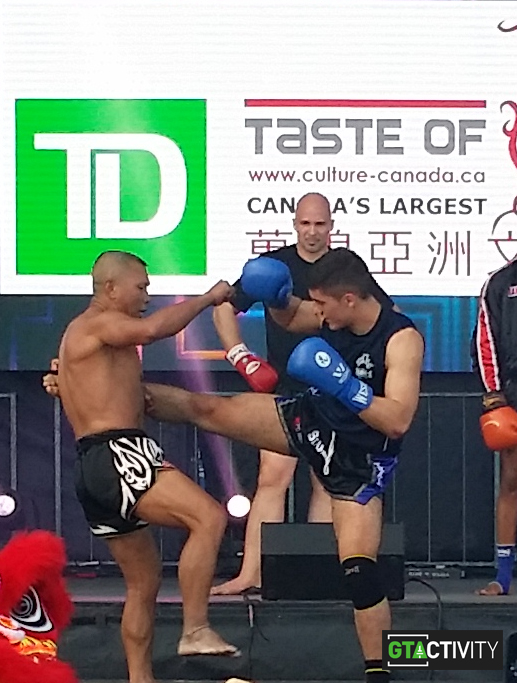
Muay Thai is characterized by the use of eight points of contact from the elbows, knees, hands, and legs, differentiating the martial art from kickboxing, which only has four points of contact. Traditionally, fighters exchanged blow for blow, however, this is less popular among contemporary fighters. Techniques for Muay Thai include punching, elbowing, kicking, kneeing, foot-thrust, clinching, and defensive tactics. Muay Thai rounds are typically two minutes long and are judged. Muay Thai fighters, called "Nak muay," often wear headbands ("Mongkhon") and armbands ("Pra Jiad") prior to the match. The headband tradition was started when fighters wore pieces of a loved one’s clothing into battle for luck and protection; today, Mongkhon are typically presented by the trainer to the trainee and bear the name of the training gym. Nak muay also engage in "wai kru," a ritual which salutes a boxer's trainer, opponent, and ancestors.
Origins & history
Muay Thai began in the 18th Century and was made the national sport of Thailand under the rule of King Chulalongkorn. The first Muay Thai boxing ring was created in 1921 in Thailand. Muay Thai’s popularity began to spread internationally during World War II, when Thai soldiers demonstrated the sport to European and American soldiers. In 1993, the International Federation of Muaythai Amateur was created (Muay Thai is combined into one word in accordance with Olympic requirements, although it is not an Olympic sport). In Canada, the first Muay Thai school was opened in 1989.
When it happens
Muay Thai is practiced year round in indoor gyms.
Who takes part
Muay Thai is practiced by individuals from diverse ethnocultural backgrounds, however practitioners from western countries may be distinguished by being referred to as "nak muay Farang" instead of simply "nak muay." Muay thai is practiced by males and females of diverse ages.
Photos