About this activity
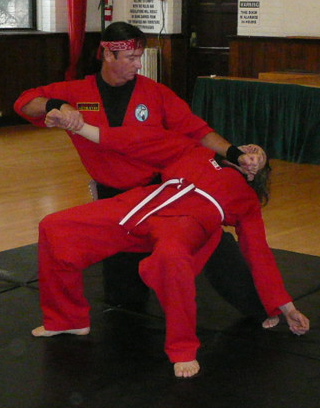
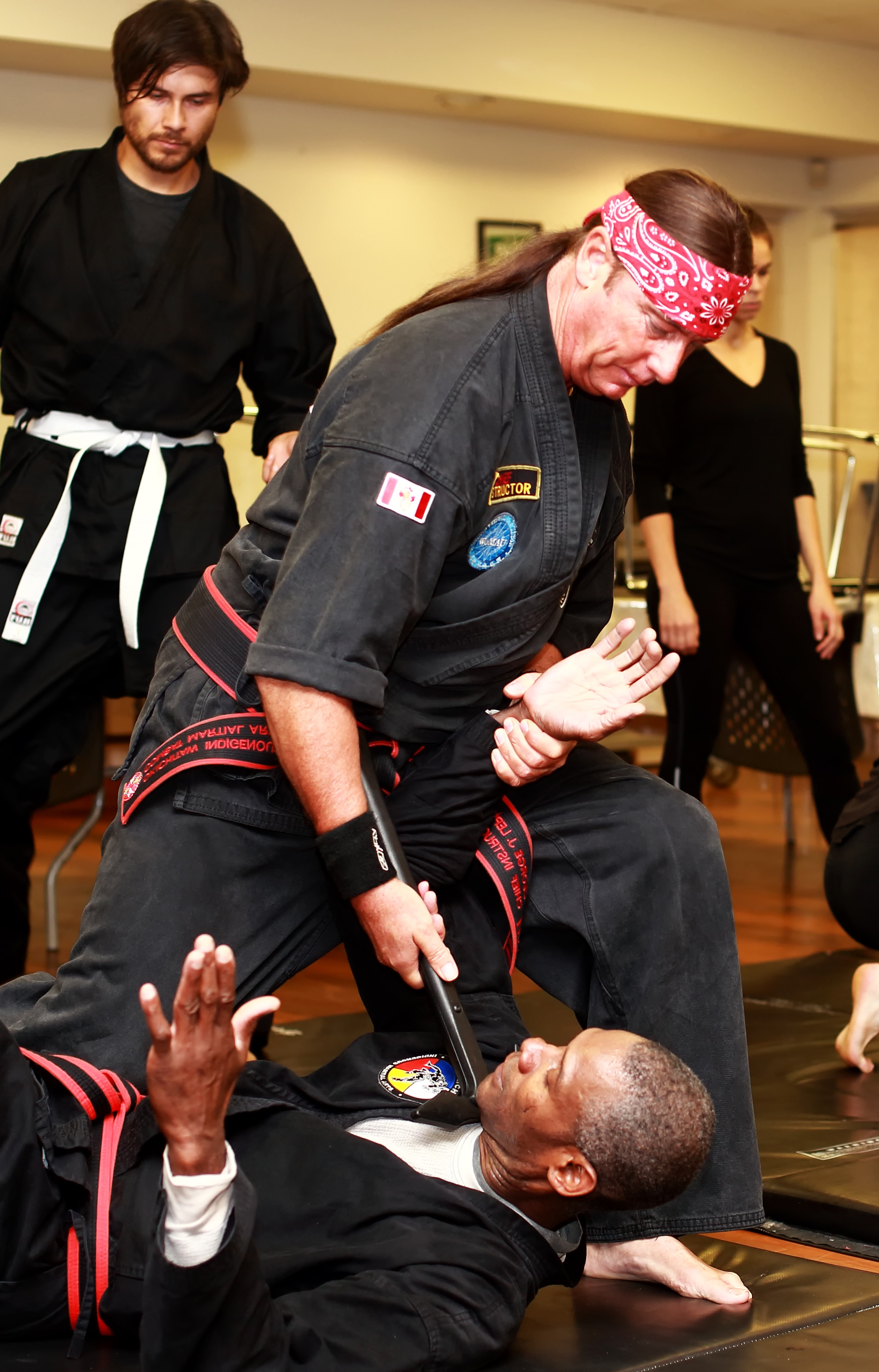
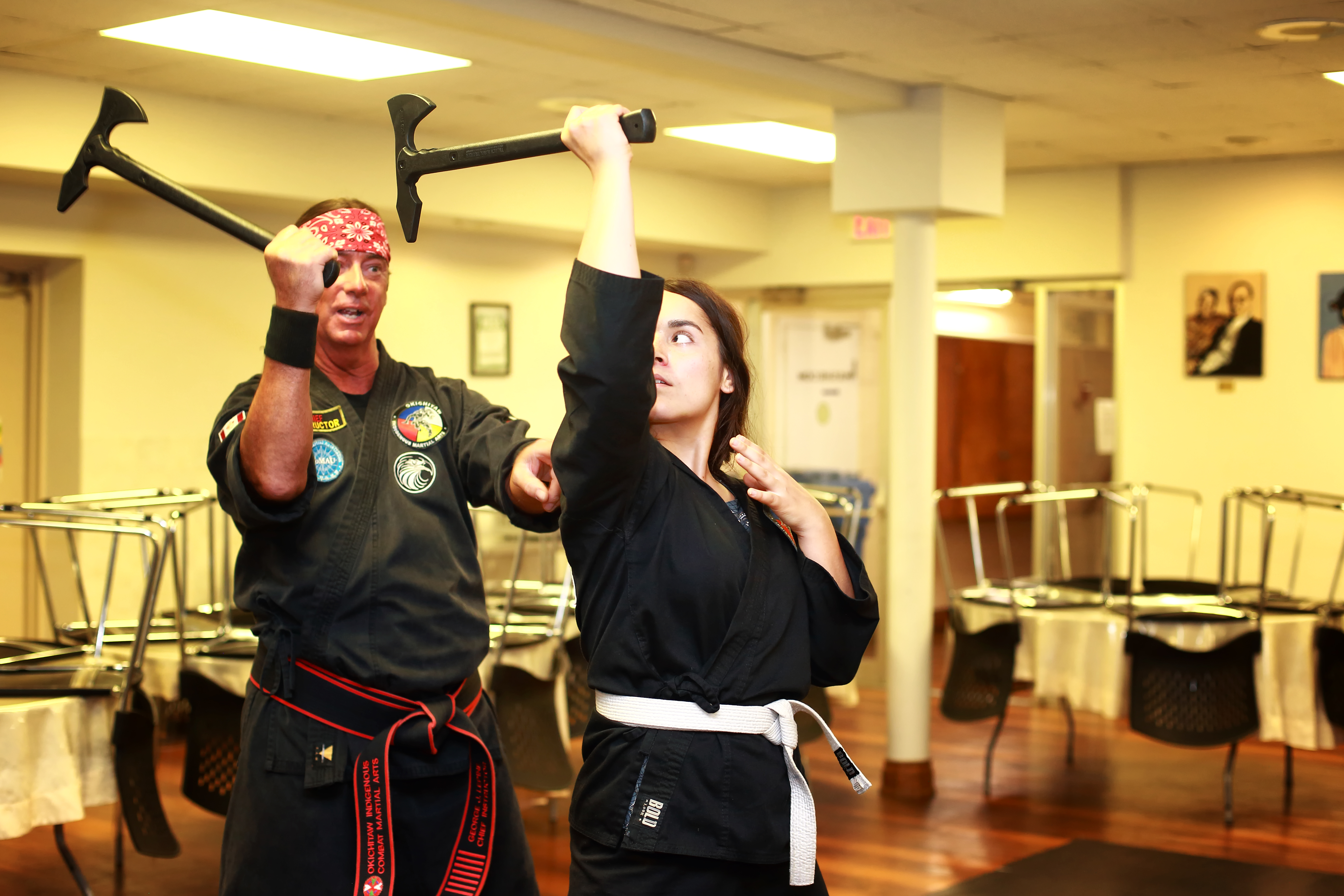
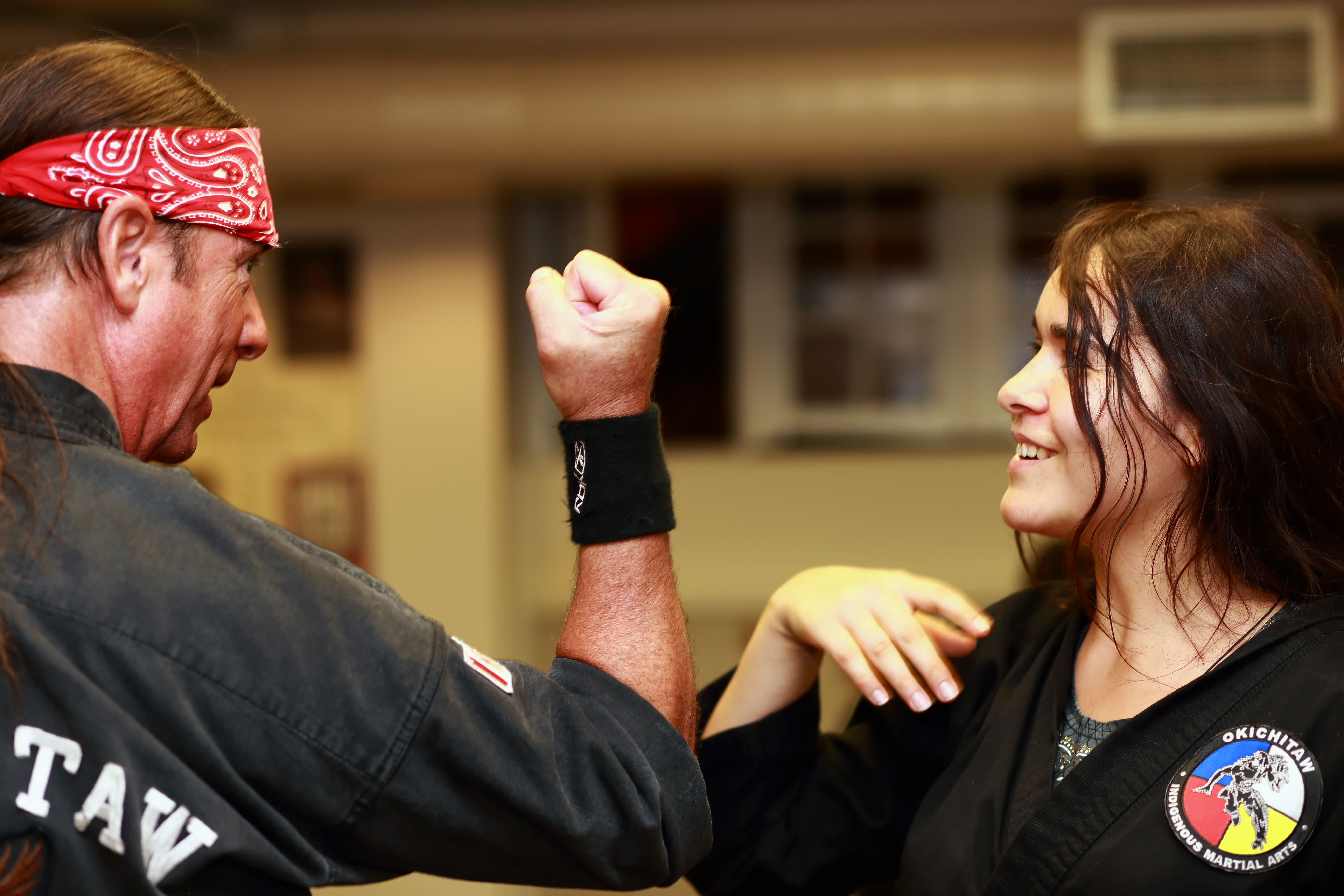
Okichitaw is an Indigenous martial art that is practiced both armed and unarmed; when unarmed, students learn hand positioning and attack techniques as though they are armed. Okichitaw uses force to meet force, and therefore demands a high level of athleticism from its practitioners. The gunstock war club and long knife are the most commonly used weapons, although the tomahawk, short lance, and long lance are also used. Okichitaw also includes the practice of basic principles that are expected to be followed inside and outside of martial training, namely the Seven Grandfather Teachings and the Medicine Wheel and Four Directions. The Seven Grandfather Teachings are love, respect, humility, honesty, wisdom, bravery, and truth. The Medicine Wheel and Four Directions, which are used during training and battle, are: the identification and response to an attack, which requires balance, confidence, and creatively (East); the challenge instigated against the opponent, which requires strength, focus, and success (South); the control of the opponent, by surprise or force, which requires courage, energy, and knowledge (North); and the takedown of the opponent (West).
Origins & history
Okichitaw was created in the 1990s by George Lépine, a Plains Cree from Manitoba. Lépine used his own knowledge of martial arts and Plains Cree combat, along with research and guidance from Aboriginal Elders, to develop Okichitaw. In 2002, Okichitaw was accepted as a unique indigenous Canadian martial art by the World Martial Arts Union. The word “Okichitaw” draws from the Plains-Cree word “okichitawak” which is an honourable term granted by Elders to a Cree warrior when he has proven himself in battle.
When it happens
There is only one organization in Canada which formally teaches Okichitaw, although George Lépine offers private workshops around the world. There are two locations in Toronto that offer classes.
Who takes part
Although originating in First Nations culture, training is open to males and females of diverse ages and any ethnocultural background.
Photos