About this activity
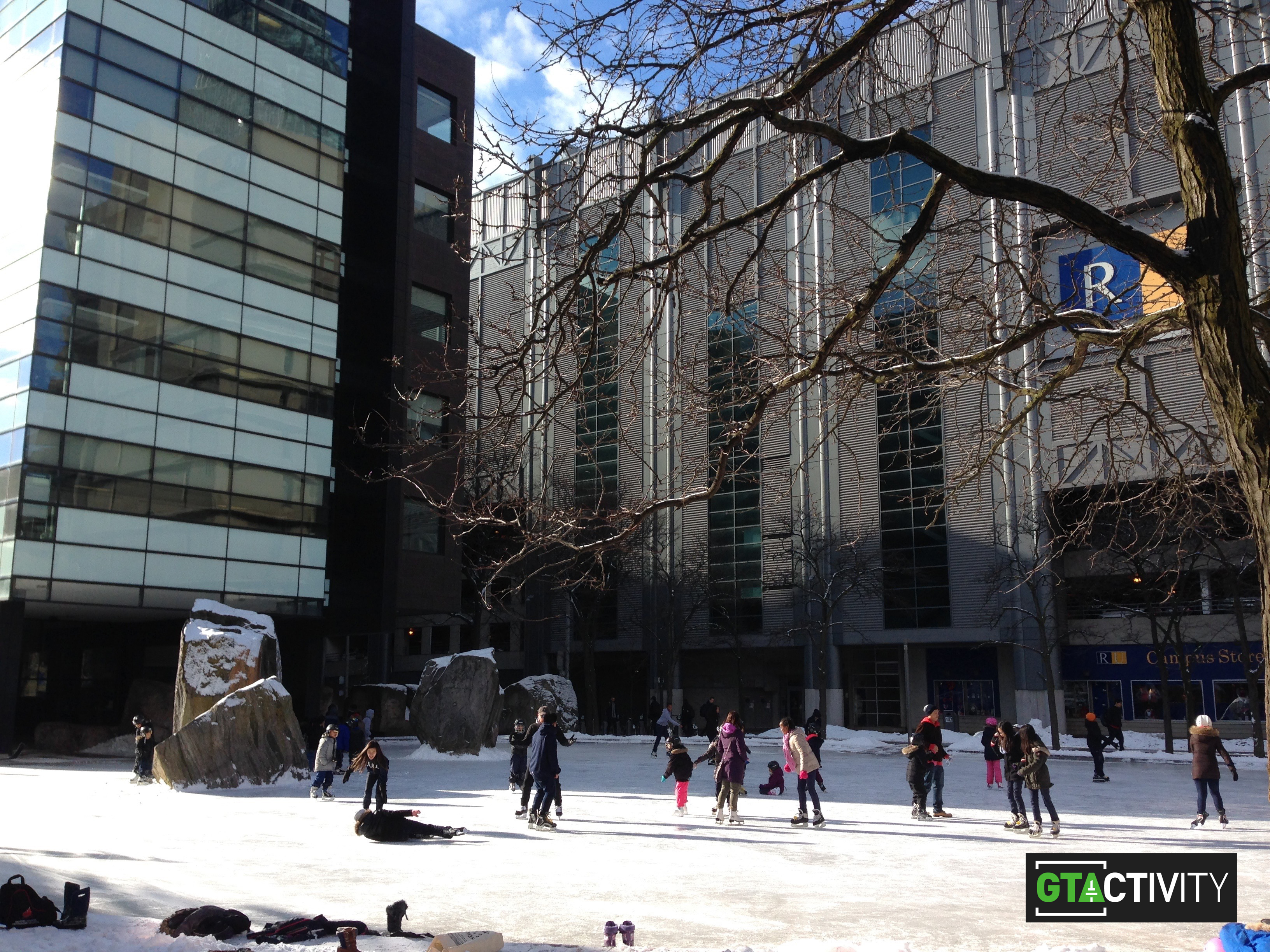
Ice skating is a leisure activity involving traversing on ice while wearing ice skates, which are boots with metal blades attached to them. It is typically performed on artificially prepared ice surfaces such as in indoor or outdoor arenas and parks, but also occurs on frozen natural bodies of water such as lakes and ponds. Ice skating is also the basis for a number of activities and sports played on ice, such as ice hockey, ringette, speed skating, figure skating, tour skating and more.
Origins & history
It is likely that various people in cold weather climates have undertaken transportation or recreation on frozen waterways for thousands of years. Ice skating, using bladed skates, grew as a recreational activity in Europe with the invention of iron blades in the 17th Century and steel blades in the 1850s. British garrison officers introduced pleasure skating to Canada in the 1840s, and it quickly gained popularity. Canada led the development for ice rinks, establishing the first outdoor commercial rink in 1852 in Québec City. Though artificial ice rinks are now available in many sizeable communities, many Canadians continue to enjoy skating on natural frozen lakes, ponds and rivers.
When it happens
Outdoor ice skating requires temperatures below or near zero, and therefore skating outdoors occurs during the winter months. Indoor facilities allow skating season to extend further into spring and fall, and some of these are maintained for ice skating year round.
Who takes part
Males and females of diverse ages and ethnocultural backgrounds.
Photos