About this activity
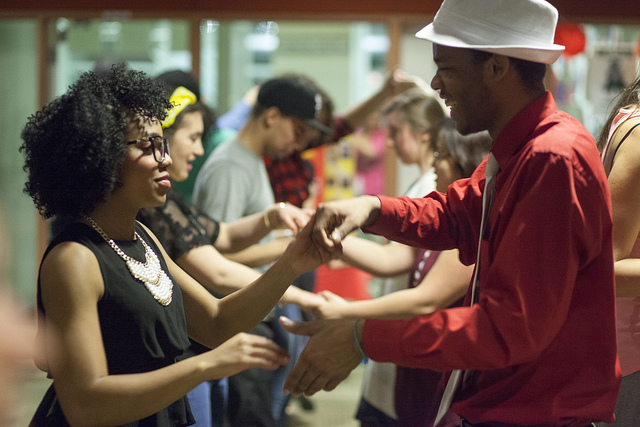
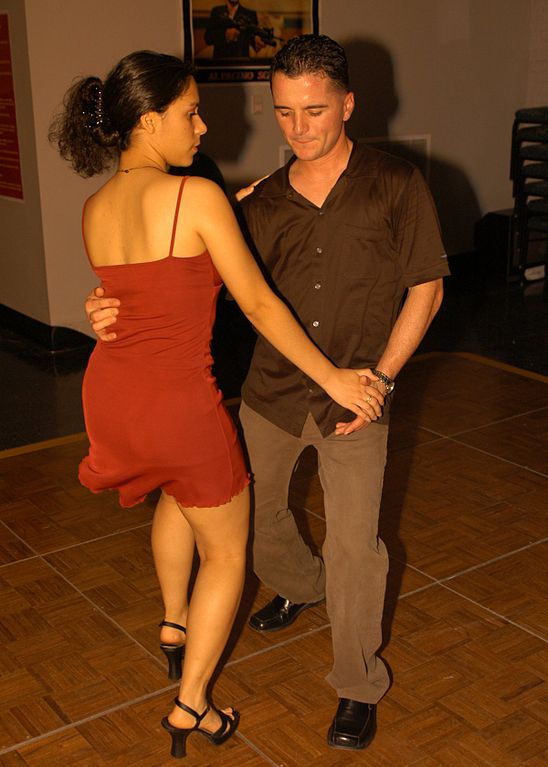
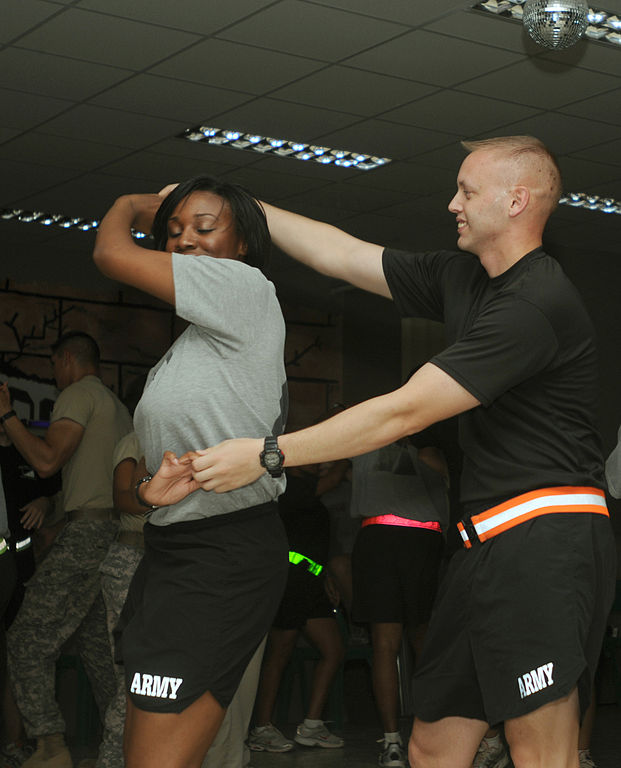
Salsa is a high energy and sensual dance style that is highly influenced by dances such as the Cha-Cha, Mambo, and African styles. Most of the movements are driven by the swaying of the hips while holding a stationary torso. Salsa is performed with a leader (usually male) and follower (usually female), with the leader guiding the follower in executing turns, stops, dips, cross-body and other movements. The main characteristics of Salsa consists of basic fundamental footwork, body rolls, turns, figures, and timing. Each dancer incorporates their own styles which may include shimmies, body isolations, rolls, styling of the hands, acrobatics and lifts. These are used mostly for stage performances.
Origins & history
There are multiple influences which have impacted the development of salsa, most notably Cuban dance. The dance was named and popularized in New York City in the 1970s, primarily by Cuban and Puerto Rican immigrants.
When it happens
Salsa is regularly practiced at nightclubs, restaurants, bars, festivals, and ballroom competitions in the GTA, either as a competitive activity or a form of recreational exercise.
Who takes part
Although originating with Cuban and Puerto Rican immigrants to the US, salsa is now practiced by males and females of diverse ethnocultural backgrounds.
Photos